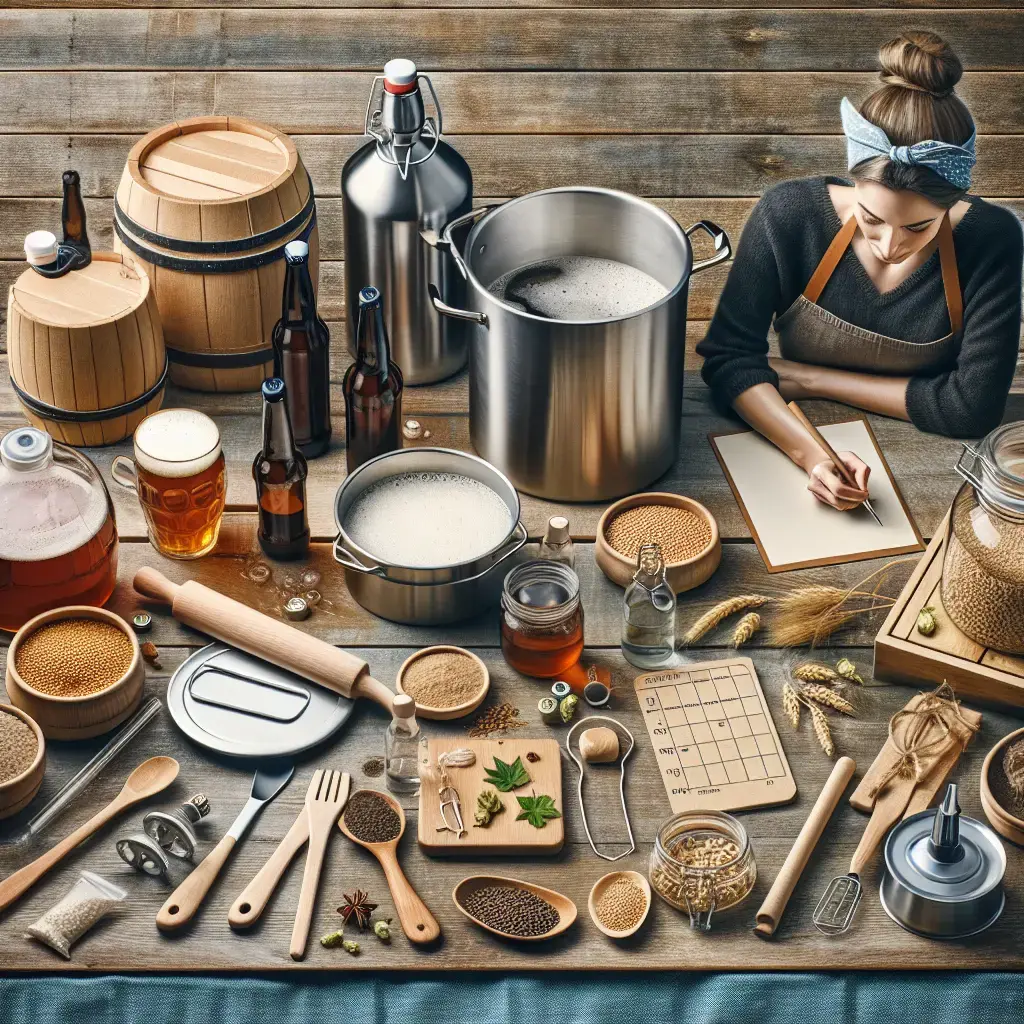
Embarking on the exciting journey of brewing your own beer at home can be an incredibly rewarding experience, especially for those venturing into the world of homebrewing for the first time. This beginner's guide to homebrew beer is designed specifically for enthusiasts eager to learn how to brew beer at home but aren't quite sure where to start. From understanding the basics of brewing beer at home to mastering your first homebrew beer recipe, this guide covers it all.
Homebrewing for beginners doesn't have to be intimidating. With easy homebrew beer recipes and a step-by-step homebrewing guide, even novices can create delicious craft beers in the comfort of their own kitchen. We’ll introduce you to essential beginner homebrewing equipment and offer valuable tips for beginners to ensure a smooth brewing process. The journey from selecting the right homebrew beer ingredients to savoring your first sip of a homemade brew is filled with learning and satisfaction.
Understanding the Basics of Brewing Beer at Home
Before crafting your first brew, it’s essential to grasp the basics of brewing beer at home. This involves understanding the fundamental components and processes that transform simple ingredients into a delightful beverage. The primary ingredients of homebrew beer are malt, hops, yeast, and water. Each plays a crucial role in determining the flavor, aroma, and texture of your beer.
The Role of Each Ingredient
- Malt: Provides sugars needed for fermentation and imparts color and sweetness.
- Hops: Add bitterness to balance malt sweetness and contribute to aroma.
- Yeast: Converts sugars into alcohol and carbon dioxide during fermentation.
- Water: Comprising over 90% of your beer, water quality significantly affects the final product.
Investing in a beginner's homebrew kit can streamline the process by providing necessary equipment and ingredients. These kits are designed to simplify the brewing process and include detailed instructions to guide you through your first brew.
Selecting Your Beginner Homebrewing Equipment
A successful brewing process begins with having the right tools. A typical beginner's homebrew kit might include:
- Fermentation bucket
- Airlock
- Hydrometer
- Bottling bucket
- Bottle caps and capper
These tools are essential for monitoring fermentation, transferring liquids, and bottling your brew. As you gain confidence, consider upgrading to more sophisticated equipment, such as automated brewing systems that integrate smart technology. One example is the Govee Smart Electric Wi-Fi Kettle, which can help in heating water to precise temperatures—a critical step in brewing.
Crafting Your First Homebrew Beer Recipe
Choosing an easy homebrew beer recipe is key for beginners. Start with styles that are forgiving and simple, such as pale ales or porters, which require fewer ingredients and have straightforward fermentation processes.
Steps to Brewing Your First Beer
- Sanitize: Ensure all equipment is sanitized to prevent contamination.
- Boil: Begin by boiling water and steeping your malt.
- Add Hops: Hops are typically added at multiple stages during the boil.
- Cool and Ferment: Cool the wort (unfermented beer) quickly and transfer it to the fermentation vessel.
- Pitch Yeast: Add yeast to start fermentation, which typically takes one to two weeks.
- Bottle: Once fermentation is complete, transfer your beer to bottles and allow it to carbonate for another week or two.
For detailed guidance, websites like the Homebrewers Association offer a plethora of resources including beginner-friendly recipes and troubleshooting tips.
Embracing Innovation in Homebrewing
The craft brewing industry continually evolves with innovations that simplify processes and enhance quality. For instance, the KOMBU Fermenstation has gained attention for revolutionizing DIY brewing by merging industrial design with wellness (source: TrendHunter). Although primarily designed for kombucha, such advancements highlight the potential for similar developments in homebrewing beer.
The Fermenstation’s sleek design and efficient functionality exemplify how modern technology can streamline traditionally complex processes, allowing for more consistent and enjoyable brewing experiences at home.
Tips for Successful Homebrewing
To ensure success as you explore how to brew beer at home, consider these tips:
- Patience is Key: Rushing any step can compromise flavor or carbonation.
- Temperature Control: Maintain consistent temperatures during fermentation to avoid unwanted flavors.
- Experiment Gradually: Once comfortable with basic recipes, experiment with different hops or spices for unique flavors.
A thriving online community offers support and insights. Platforms like Reddit’s Homebrewing Community provide forums where both novice and veteran brewers share experiences and advice.
Conclusion: Brewing Your First Homebrew Beer Journey
Starting homebrewing for the first time is more than just a hobby; it's an exploration of flavors and techniques that results in a truly personalized craft. With the foundational knowledge outlined here, enhanced by insights from contemporary innovations like smart brewing appliances and community engagement, you’re well-equipped to embark on this captivating adventure.
Are you ready to savor that first sip of your homemade creation? Dive into the world of homebrewing with confidence and creativity, knowing that each batch brings you closer to mastering this art form. As you refine your skills and expand your repertoire, remember that every great brewer started where you are now—at the beginning of a fascinating journey into crafting their own perfect brew.
Happy brewing!
Andrew Blackwell